loating – A Gentle Approach to Overcoming Anxiety
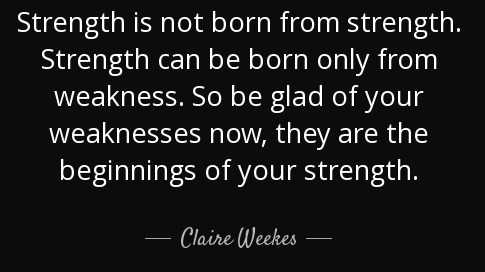
Many years ago, I learned about a technique called “floating”, developed by the pioneering Dr. Claire Weekes. Claire was a trailblazer in anxiety therapy, writing extensively on the subject throughout the 1960s and 70s — decades before mental health became widely understood or accepted. Her approach was revolutionary for the time, and her teachings remain just as relevant today.
One of her core messages was simple, yet powerful:
We must learn to float, not fight.
Why Do We Fight?
When faced with something we fear or resist — a crowded place, a social event, even getting out of bed — our natural instinct is to tense up and push back. We try to force our way through, believing that if we just try hard enough, we can overcome it. But in reality, this tension often fuels the anxiety further.
For example, a woman I know struggled to walk into a busy shop. Each time she tried, she tensed up. The more she resisted, the more anxiety built up, and the more she avoided the situation. Her instinct said, “Don’t go in,” and so every attempt became a battle.
But what if instead of forcing, she tried floating?
What Does It Mean to Float?
Floating isn’t about avoidance. It’s about letting go of the fight.
It’s a way of saying to your nervous system: “I’m not pushing against this. I’m just going to let it be.”
When we fight anxiety, we get tense. That tension causes our body to release more adrenaline, making us feel worse. Then we react to those new sensations — and the cycle continues.
Floating interrupts that loop.
Try this simple mental shift:
Instead of getting out of bed, imagine yourself floating out of bed.
Instead of forcing yourself into the shop, imagine gently floating through the entrance.
It may sound odd, but this shift in imagery redirects the mind away from resistance and toward acceptance. And with that, the body often follows.
Floating Is Not Passive — It’s Empowering
Many people with anxiety have a strong desire to be in control, though they often don’t recognise this. They feel out of control, overwhelmed by symptoms and thoughts — but beneath that is often an urge to manage or “fix” everything.
Floating asks you to release that grip — not to give up, but to give in.
To let go of the battle that, ironically, might be keeping you stuck.
Here’s the twist:
When you float, it may feel like you’re letting go of control — but you’re actually regaining it.
You’re choosing to stop resisting. That’s a conscious, empowered decision.
You Don’t Have to Force Relaxation
Trying hard to relax is like trying hard to fall asleep — it doesn’t work.
Instead of striving, simply wait.
Let the calm come in its own time. The relief comes not from beating anxiety, but from stopping the struggle. Once you stop fighting, your body can begin to settle itself. The sensations may still be there — but they stop being the enemy.
And as Claire Weekes taught, the battle you think you’re fighting is often one of your own making.
Float Past It All
- Float past tension and fear
- Float past intrusive thoughts and unwelcome suggestions
- Float past the adrenaline surge, the panic, the noise
Let it come. Let it pass. And float right through it.
No resistance. No battle. Just time, and patience, and trust in yourself.
The Takeaway
Float — don’t fight.
Accept — and let time pass.
This simple yet profound advice remains one of the most powerful tools we have in overcoming anxiety. Claire Weekes’ legacy lives on in those who choose gentleness over struggle, and who find strength not in resistance, but in surrender.
 Tim Grover - Bedfordshire Therapies