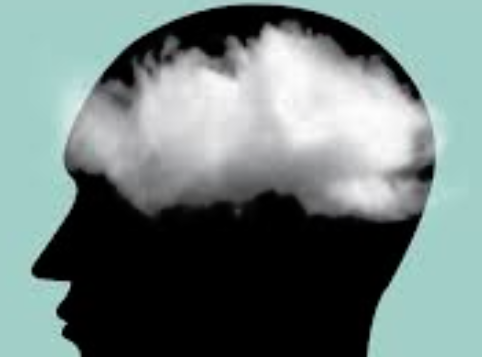
Understanding Brain Fog and Anxiety
Brain fog is a common but often confusing symptom of anxiety. It’s where you struggle to remember things, think clearly, or concentrate. One client once described it as feeling like their IQ had “dropped dramatically.” This can be deeply unsettling and might even make you worry that you’re going crazy or experiencing early dementia. You might find yourself asking questions like:
Why can’t I remember that person’s name?
Why did I forget about that meeting?
Why Does Anxiety Cause Brain Fog?
Our brain is an incredibly complex organ, and while much is still unknown, one useful way to understand it is by dividing it into three parts, based on evolutionary development:
| Brain Part | Also Known As | Function | Age (Evolutionary) |
|---|---|---|---|
| Hind Brain | Reptilian Complex | Instinct, survival triggers | ~650 million years ago |
| Mid Brain | Paleomammalian Complex (Limbic System) | Emotion, motivation, anxiety | ~250 million years ago |
| Forebrain | Neomammalian Complex | Conscious thought, reasoning | ~2.5 million years ago |
How the Brain Works in Anxiety and Brain Fog
These brain parts developed in that order—and they work in that order when you respond to something:
- You get triggered (hind brain)
- You feel a reaction (mid brain)
- You think about it (forebrain)
The hind brain’s main job is survival. It sees the world in black and white—you are either safe or not safe. When it senses danger, it triggers the fight, flight, or freeze response immediately. This system has kept us alive for hundreds of millions of years.
The mid brain adds the emotional response—it makes you feel anxious or afraid so you’re aware of the danger and can act.
The forebrain gives us conscious awareness and reasoning. This is where we think about the feelings and decide how to react.
Why Brain Fog Happens During Anxiety
When you’re in “survival mode,” your brain prioritizes the hind brain’s instinctive responses and mid brain’s emotional reactions over the forebrain’s reasoning and clear thinking. Think of it like a dimmer switch: the forebrain’s activity gets turned down to conserve energy for survival.
This means your ability to concentrate, remember things, or think clearly becomes impaired — this is what we experience as brain fog. It’s your body’s way of preparing to survive by focusing on immediate threat responses, not on detailed thought processes.
An Example
Imagine stepping into the road suddenly and a car is speeding toward you. Your hind brain instantly triggers your body to jump out of the way before your conscious mind even registers what’s happening. It takes about half a second for your forebrain to catch up. If you had to think before reacting, you might get hurt.
This automatic response is exactly how your brain is designed to keep you safe—fast and instinctive.
What This Means for You
Brain fog caused by anxiety is not a sign of dementia or losing your mind. It’s simply a survival response. Everyone experiences anxiety differently—while you might have brain fog, someone else might have headaches or rapid heartbeat.
We can’t change how the brain evolved, but we can change how the brain responds to triggers. Therapies like BWRT® (BrainWorking Recursive Therapy) can help retrain your brain’s emotional responses, turning down the fight or flight reaction and promoting calm instead.
Learn More
If you want to know how BWRT can help you quickly reduce anxiety and its symptoms like brain fog,
Click here to book a free consultation.
Disclaimer
Brain fog can also be caused by many other factors, including:
- Lack of sleep
- Hormonal changes
- Diet
- Medications
- Other medical conditions
Always consult a healthcare professional for proper diagnosis and treatment.
 Tim Grover - Bedfordshire Therapies