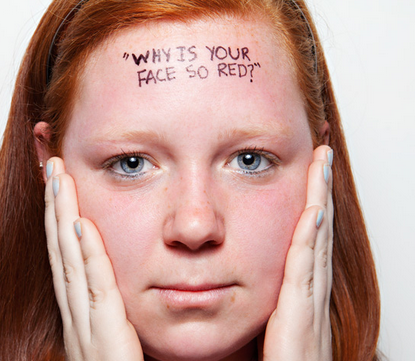
Understanding Blushing and Its Causes
Blushing is a physical reaction caused by your sympathetic nervous system—often called the “fight or flight” response. When this system is triggered, your body releases adrenaline, preparing you to react to what it perceives as a threat. This adrenaline causes your blood vessels to dilate to improve blood flow and oxygen delivery.
In your face, the veins respond to a chemical signal (adenylyl cyclase), allowing blood to flow closer to the skin’s surface. This is why your cheeks turn red when you blush. Interestingly, this redness happens only in your facial veins—not in other parts of your body.
Why Does Blushing Happen?
Blushing occurs because your subconscious is engaging an avoidance strategy. It believes it would be safer if you weren’t in the situation that triggered the response, and it tries to stop you from going through with it. This can be very frustrating because consciously you want to act normally, but your subconscious is holding you back to protect you.
What Causes the Subconscious to Hold You Back?
There are three common reasons why blushing becomes a repeated problem:
1. The Original Event
In childhood or early life, you may have experienced a moment of intense embarrassment that triggered your fight or flight response—and with it, your first blush. The emotional impact was so strong that your mind created a repressed memory to cope.
Later, when a similar situation arises—even decades later—your subconscious reacts the same way, causing you to blush again. Because you’ve forgotten the original event, the reaction feels sudden and inexplicable.
This repeated reaction can escalate, leading to frequent blushing and possibly social withdrawal to avoid embarrassment. This is due to what’s known as an “outdated or incorrect belief” held by your subconscious: it thinks blushing is a protective response, even though it’s no longer helpful.
2. Secondary Triggering Event
In this case, the original repressed event was not related to blushing but perhaps to a panic attack or another anxious response. The initial trauma remained dormant for months, years, or even decades.
When it finally resurfaces, the fight or flight response is triggered again—but this time, blushing happens alongside the original fear or panic. For example, if your first panic attack occurred while speaking in front of people, your subconscious may now associate blushing with social situations, creating a new, unexpected trigger.
3. Cumulative Trauma
Sometimes blushing develops gradually over time through repeated negative experiences. For example, if a teacher repeatedly embarrassed you by ridiculing you for blushing in front of the class, each incident adds to your subconscious trauma.
Eventually, blushing becomes an automatic response to any similar social situation, even if the embarrassment no longer feels warranted. This “cumulative trauma” reinforces the blushing response as a conditioned reaction.
The Bottom Line
Blushing is your body’s way of reacting to fear or anxiety, guided by subconscious memories and beliefs. Understanding these roots can help you regain control and reduce or eliminate blushing. With therapies like BWRT®, it’s possible to update those outdated subconscious beliefs and break free from the cycle of embarrassment and avoidance.
Hypno-analysis is one of the best therapies to resolve the initial event or the cumulative trauma that has been experienced. More can be found here
It usually takes around 6-12 sessions to fully resolve this type of issue
BWRT is also a powerful tool against blushing. Here we work on the triggers and change the response.
Contact me here to eliminate blushing
 Tim Grover - Bedfordshire Therapies